KWANZAA: 7 Days to a Better New Year

Kwanzaa calls us to light a candle to dedicate each day to a principle, preparing for the New Year. Graphic by Nesnad, 2008, dedicated to the public domain. With appreciation.

Time system dedications are a hallmark of human culture. Ancient names for days of the week may remind us that Sunday was originally honored the sun (and Monday, the moon). Now, a more recent sequence invites practice of seven principles for a good life through community. Kwanzaa, observed from December 26 to January 1 calls us to a special cultural celebration.

Pan African Flag created 13 August, 1920 by Marcus Garvey and UNIA, first displayed in Madison Square Garden, NY, USA. Public Domain, with appreciation.

Developed by Dr. Maulana Karenga, Kwanzaa is named for a Swahili phrase “Matunda ya kwanza” after first fruit celebrations, a part of both ancient and modern African culture. Honored by candles, gifts, and display of the colors of the Pan-African flag in red, black, and green, seven principles (Nguzo Saba) mark seven days:

UMOJA (Unity)

KUJICHAGUIA (Self-Determination)

UJIMA (Collective Work and Responsibility)

UJAMAA (Cooperative Economics)

NIA (Purpose)

KUUMBA (Creativity)

IMANI (Faith)

“Seven” by sculptor Robert Indiana, now located at the Portland Museum of Art. Photography by losmininos, 2006, Creative Commons 2.0; with appreciation.

As 2025 turns our collective gaze towards the future, how can you dedicate the next seven days to the seven Kwanzaa principles, leading to a better 2026?

Karenga, Maulana. The African American Holiday of Kwanzaa: A Celebration of Family, Community & Culture. Los Angeles: University of Sankore Press, 2018. ISBN-10: 0943412099

Karenga, Maulana. California State University Long Beach. https://www.csulb.edu/college-of-liberal-arts/africana-studies/page/maulana-karenga

National Museum of African American History and Culture. “Kwanzaa: First Fruits.” https://nmaahc.si.edu/explore/moments/kwanzaa

Building the World Blog by Kathleen Lusk Brooke and Zoe G. Quinn is licensed under a Creative Commons Attribution-NonCommercial-NoDerivs 3.0 U

SPACE: Trash Talk

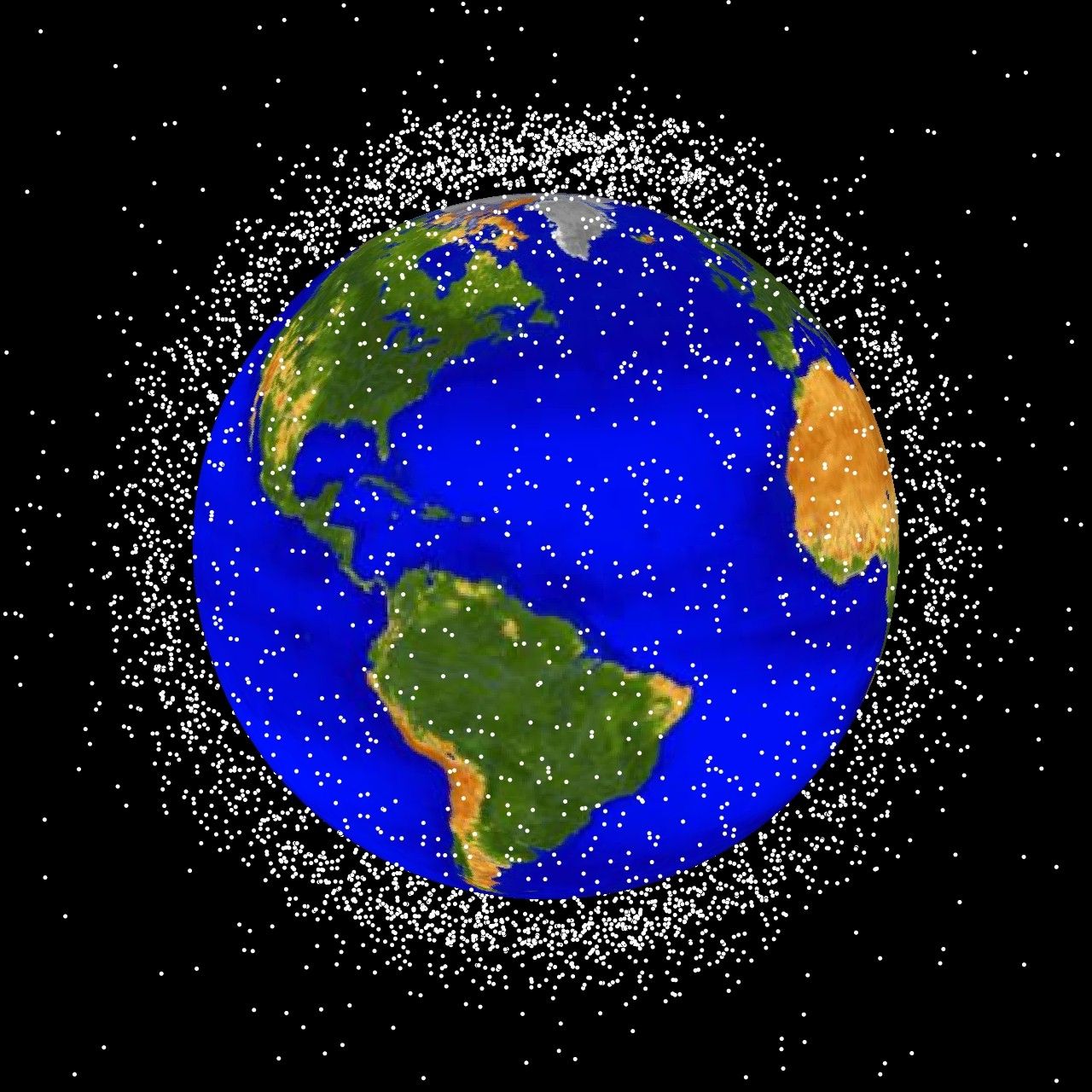
Space debris in low earth orbit by NASA, 2005. Public Domain.

Want to talk trash? Look up. More than 25,000 pieces of defunct satellites, odd parts lost in extra-vehicular activity, bolts that floated off while repairing the International Space Station (ISS), are circling the Earth. And those are just the larger chunks (more than 4 inches in diameter). Go small and you go big: with 100,000,000 tiny but powerful bits flying at 17,000 mph (28,000 km). At that speed, even a paint chip could shatter a satellite – there are more than 8,000 of those in orbit, with 100,000 more planned by 2030.

More space objects, more danger of damage. Graphic: “Debris Object Evolution” by European Space Agency (ESA: A290134), 2017. Creative Commons 3.0.

Not long after the first satellite was launched in 1957 and COMSAT soon developed, the Kessler Syndrome, suggested by NASA scientists Donald J. Kessler and Burton G. Cour-Palais, reminded us that the more space objects we send into orbit, the more likely collisions will not just occur but pile up – the way a highway collision can create a multi-vehicle traffic jam. In space, such an event could cause outages of essential terrestrial communication systems.

Kessler Syndrome Image by NASA, Orbital Debris Program Office, Public Domain.

On Earth, we have become familiar with the “reuse-repurpose-recycle” paradigm. But in space, we tend to shoot stuff up there and leave it to eventually degrade. Enter Astroscale and other space repair and debris removal businesses that offer a new paradigm: “inspect-service-remove.” Think of it as orbital road-service.

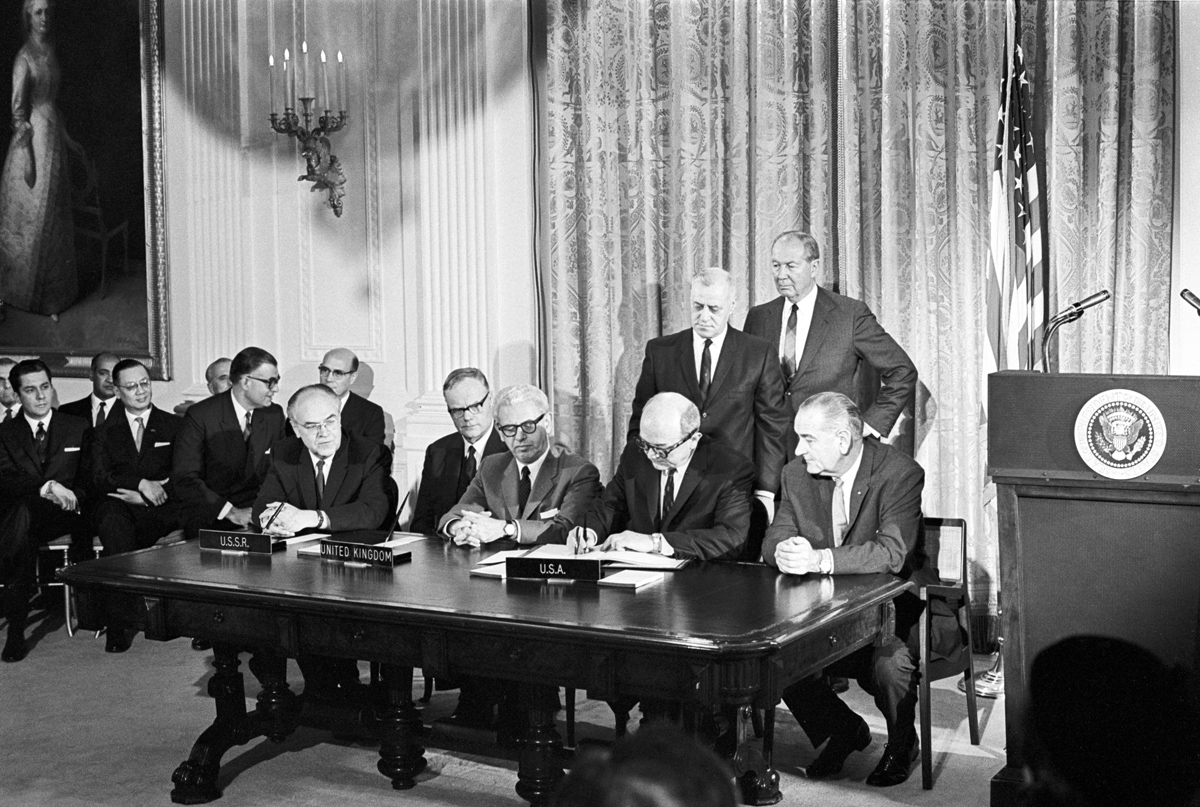
The 1967 Outer Space Treaty began the legal framework for space. Image: “Signing Outer Space Treaty 27 January 1967,” courtesy of ITU. Creative Commons 2.0.

Legal precedent will help to guide the process. The 1967 Outer Space Treaty mentioned liability for damage sustained in space. The 1972 Convention on International Liability for Damage Caused by Space Objects developed and presented a regulatory framework. In 1975, the Convention on Registration of Objects Launched into Outer Space mandated launching States to keep track of, and take responsibility for, their orbiting technology. The Inter-Agency Space Debris Coordination Committee may provide regulatory options. Space Traffic Management (STM) is a new industry that will help launchers to clean up their orbits.

Space debris collisions could damage key satellite systems including GPS. Image: “Constellation Global Positioning System (GPS)” by El Pak, 2007. Public Domain, with appreciation.

Case Example: Astroscale. Founded in 2013 by Nobu Okada, Astroscale Holdings Inc (listed on the Tokyo Stock Exchange as 186A) can service satellites in orbit, detecting potential problems and servicing devices while still operational. Beyond repair, the ADRAS-J can carry space junk safely out of orbit and return it to earth, where materials recycling may prove valuable. To make servicing easier, Astroscale manufactures a docking plate that enables in-orbit servicing and controlled removal, when needed.

Space and orbital break-ups can occur when satellites may explode. Image: “Space Break Up ESA375611,” European Space Agency (ESA) 2017. Creative Commons 3.0.

In 2027, NewSpace India Limited (NSIL) and India’s Department of Space will launch In-situ Space Situational Awareness–Japan1 from the Satish Dhawan Space Center. The mission will inspect two large space debris objects now in orbit. In 2025, Astroscale received US Patent number 12,234,043 B2 for “Method and System for Multi-Object Space Debris Removal.”

Space Services and Debris Removal will be a profitable new field. Image: “New” b Neji, 2009. Creative Commons 3.0

NEW LEADERS in SPACE DEBRIS SERVICES include these companies. Some financial professionals note that while the satellite businesses has many entrants, space servicing and debris removal is an emerging market that will grow. Many of these new enterprises are at the private investment stage; when public, stock information is listed below:

Airbus. https://www.airbus.com   Paris (AIR.PA) US OTC (EADSY)

Altius (subsidiary, Voyager). https://voyagertechnologies.com NYSE: VOYG

Artificial Brain. https://artificialbrain.in

Astroscale Holdings. https://astroscale.com/en  Tokyo (186A)

Bull. https://bull-space.com

ClearSpace. https://clearspace.today/

D-Orbit. https://www.dorbit.space

Delta Infinite. https://www.delta-infinite.com

Digantara. https://www.diganara.co.in

iSEE. https://isee-space.ai

Kurs Orbital. https://kursorbital.com

LeoLabs. https://leolabs.space

Lockheed Martin. https://www.lockheedmartin.com NYSE: LMT

Northrup Grumman. https://www.northopgrumman.com  NYSE: NOC

Orbit Guardians Corporation. https://orbitguardians.com

Orbital Lasers. https://www.orbitallasers.com

Paladin Space. https://www.paladinspace.com

Rocket Lab. https://rocketlabcorp.com NASDAQ (RKLB)

Space Cowboy. https://spacecowboy.today

Spaceflux. https://spaceflux.io

New materials for space may help to avoid future space debris. For example, satellites made of wood. Enter LIGNOSAT by JAXA and NASA. Image NASA, 2024. Public Domain.

While space traffic management enterprises address already orbiting older designs, aerospace engineers are calling for more recyclable materials and devices. SpaceX pioneered reusable launch rockets. Now, more entrants are offering options.

JAXA’s LignoSat is made from Japanese Magnolia wood. Image: “LignoSat Detail” by Koichi Wakata, JAXA. Public Domain with appreciation.

JAXA/NASA astronaut Dr. Takao Doi, now a professor at Kyoto University, developed a satellite made of wood. LignoSat, biodegradable, can bypass the danger stage when re-entering Earth’s atmosphere. LignoSat is an example of a growing movement towards better materials for space.

The International Space Station (ISS) was built from 1998 to 2011: the process of its construction is summarized in this video. Plans are to retire, and let ISS splash down in the Pacific. But, why not use ISS for new purposes in space? Image: NASA, 2011. Public Domain.

But for larger space installations, there may be possibilities for reuse. Why not repurpose outdated space stations? The International Space Station will close in 2030. It took from 1998 to 2011 to construct and refine (see above video). The current plan is to let ISS crash into the Pacific Ocean. Any better ideas?

Astroscale. VIDEO. https://www.astroscale.com/en/missions/adras-j

Brooke, K. Lusk. “SPACE: Wood – Satellite Innovation.” 3 December 2024. Building the World Blog. https://blogs.umb.edu/buildingtheworld/2024/12/03/space-wood-satellite-innovation/

Cavalier, Andrew. “Launching Into the Future of Satellite Technology with SpaceX’s Reusable Rockets.” 13 December 2024. ABiresearch. https://www.abiresearch.com/blog/future-of-satellite-technology-spacex-reusable-rockets

European Union. “Commission consults experts on design of STM voluntary measures.” 17 September 2025. EU Defence Industry and Space. https://defence-industry-space.ec.europa.eu/commission-consults-experts-design-stm-voluntary-measures-2025-09-17_en

Horack, John M. “NASA will say goodbye to the International Space Station in 2030.” 13 October 2025. https://theconversation.com/nasa-will-say-goodbye-to-the-international-space-station-in-2030-and-welcome-in-the-age-of-commercial-space-stations-264936

Jah, Moriba. “Why We Need to Reduce, Reuse and Recycle in Space.” 21 January 2025. Scientific American. https://www.scientificamerican.com/article/the-space-junk-crisis-needs-a-recycling-revolution/

Kessler, Donald J. and Burton G. Cour-Palais. “Collision frequency of artificial satellites: The creation of a debris belt.” June 1978. Journal of Geophysical Research, Volume 83, Issue A6, pages 2637-2646. http://ui.adsabs.harvard.edu/abs/1978JGR….83.2637K/abstract

Koerth, Maggie. “How should we deal with space junk? Space recycling, of course” 8 December 2025. CNN. https://www.cnn.com/2025/12/08/climate/space-junk-recycling-sustainability-satellites

Lloyd, Andrea. “JAXA’s First Wooden Satellite Deploys from Space Station.” 7 January 2025. NASA. https://www.nasa.gov/image-article-jaxas-first-wooden-satellite-deploys-from-space-station/

NASA. “Orbital Debris Program Office,” Astromaterials Research & Exploration Science. 2025. https://orbitaldebris.jsc.nasa.gov/faq/

Tamanna, Yasmin. “10 Top Space Debris Removal Companies to Watch in 2025.” 19 February 2025. StartUs Insights. https://www.startus-insights.com/innovators-guie/space-debris-removal-companies/

United Nations University. “Interconnected Disaster Risks: 5 Things You Should Know about Space Debris.” 26 February 2024. https://unu.edu/ehs/series/5-things-you-should-know-about-space-debris

Yang, Zhilin, et al., “Resource and material efficiency in the circular space economy.” 1 December 2025. Chem Circularity. https://www.cell.com/chem-circularity/fulltxt/S3051-2948(25)00001-5

Building the World Blog by Kathleen Lusk Brooke and Zoe G. Quinn is licensed under a Creative Commons Attribution-NonCommercial-NoDerivs 3.0 U


ENERGY/TRANSPORT: Driving Critical Minerals

Critical minerals are driving geopolitics, and they are also driving right in your car or cellphone. Recycle your rechargeable batteries. Image: Patrhoue, true-world.com, 2009. Public Domain, with appreciation.

Drive your EV straight into the future. Answer the call to renew energy with your cellphone. Mind, don’t mine.

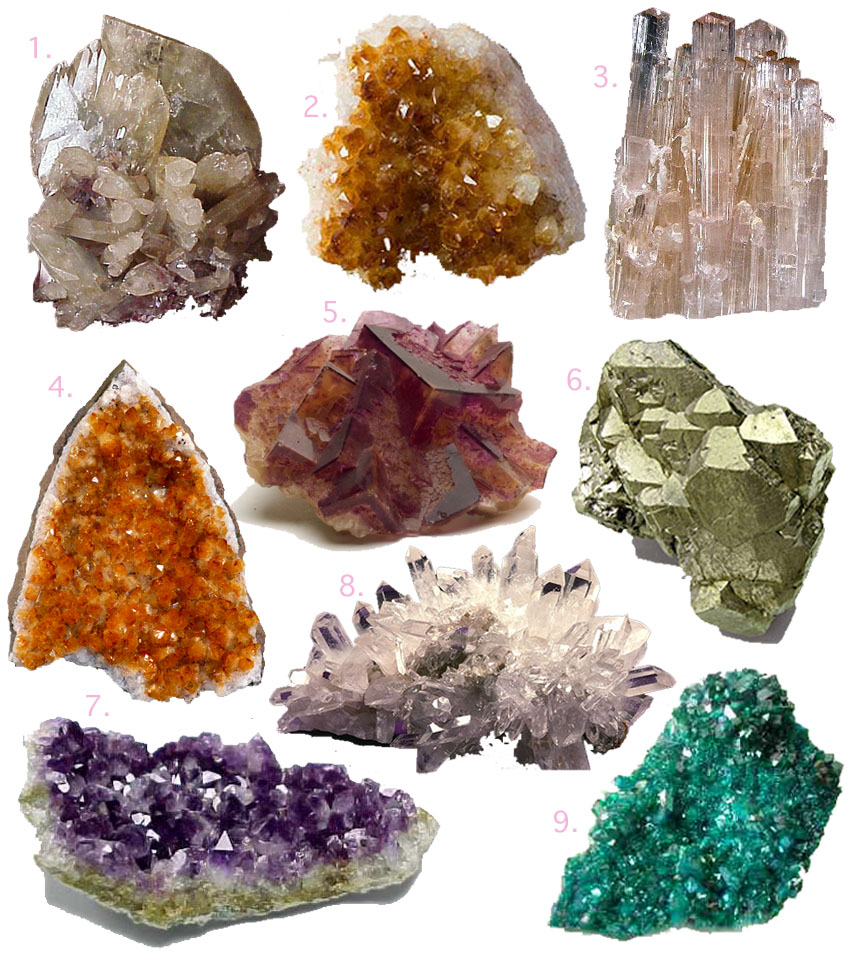
Between a rock, and a hard place. Do we need mining to obtain critical – renewable – minerals? Image: “Rock/Mineral” by SemiletovaOlga, 2015. Creative Commons 4.0. With appreciation.

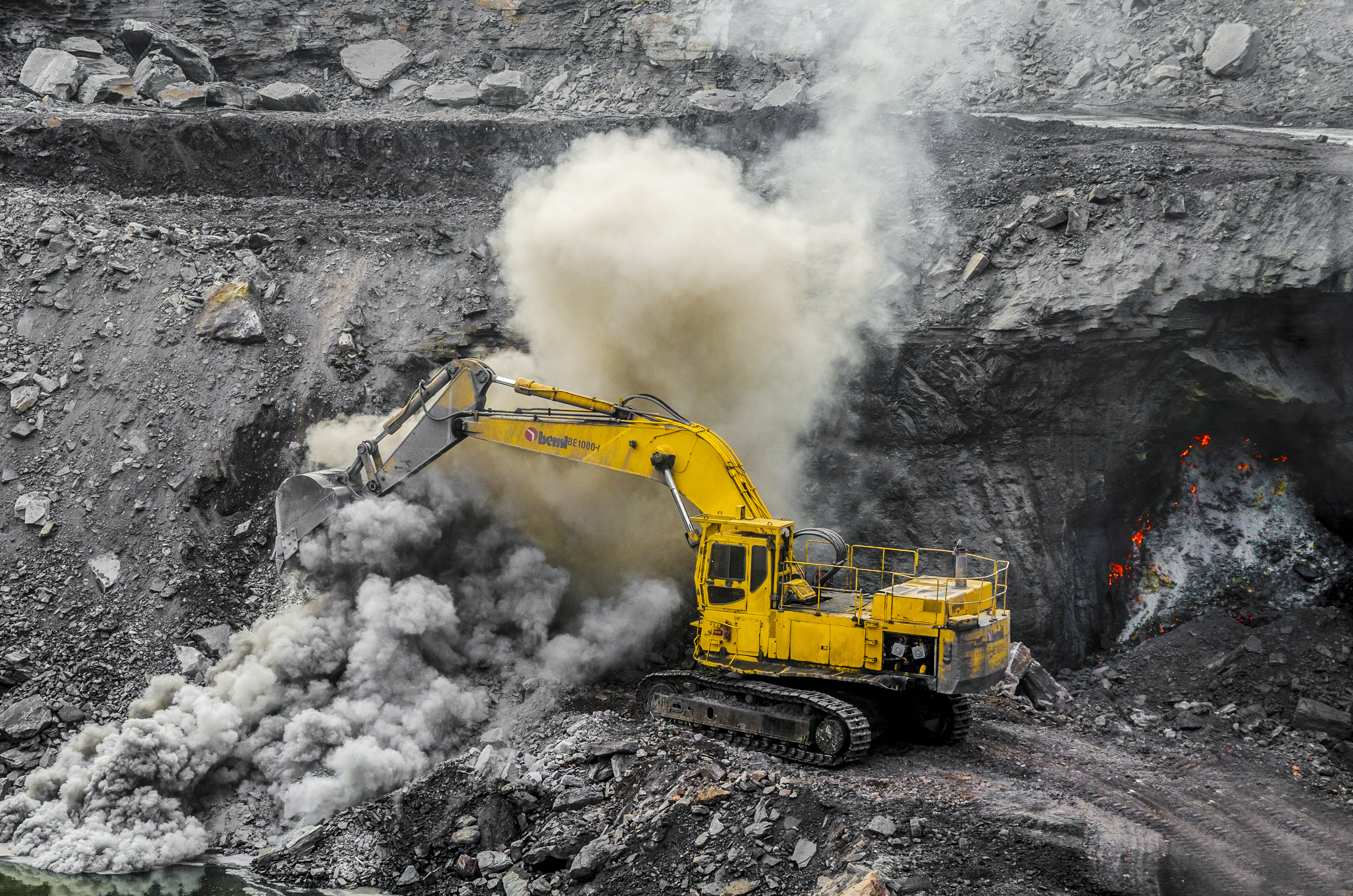
C0balt, copper, lithium, nickel – critical minerals are driving destructive mining (including impending deep seabed mining that may damage the marine environment). But what if we didn’t need to destroy land (and sea) with explosives? Or pollute groundwater with leaching chemicals? Or deal with toxic mine tailings? Or pressure sketchy trade agreements for critical minerals?

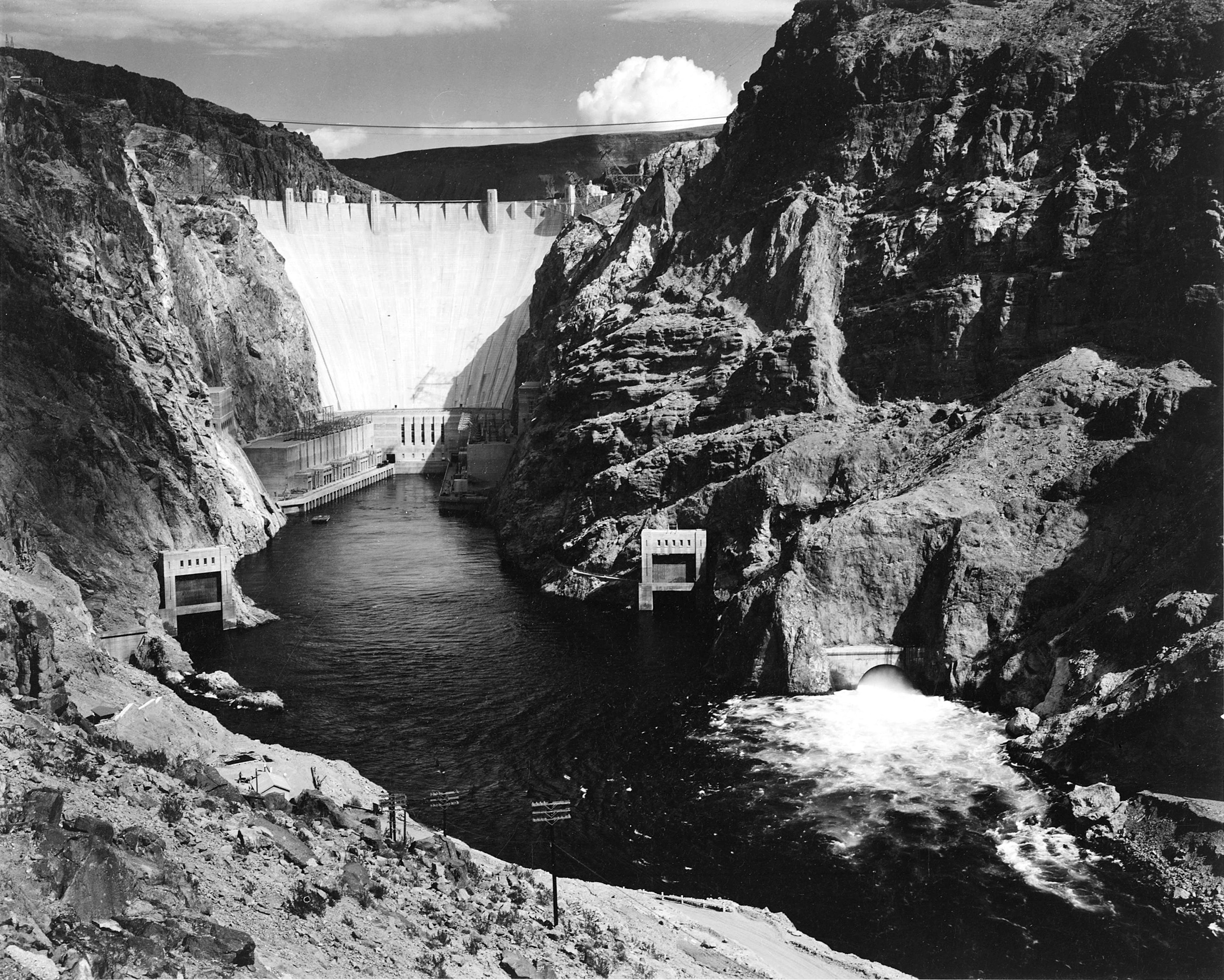
Critical minerals could transform energy, just as did the Hoover Dam. Photograph by Ansel Adams, 1941. National Archives #519837. Public domain, with appreciation.

One answer may be in the desert of Nevada, not far from the earlier energy innovation of the Hoover Dam, where a small company has a big idea. Strategic mission? Supply critical minerals needed for renewable energy by recycling batteries that power everything from cellphones to electric vehicles.

Original CTO at Tesla, Straubel founded Redwood to harvest critical minerals used in batteries. Photo by Rudolf Simon, 2013. Creative Commons 3.0, with appreciation.

Tesla co-founder Jeffrey B. Straubel opened Redwood Materials in 2017 with a belief that all those electric vehicles (EV) would soon need battery replacement. That would mean a new market for end-of-service batteries. While Redwood currently recycles many lithium-ion batteries that make up 90% of its business, and also old cellphones and e-waste, the prize is an EV battery because of its size. EV batteries yield $2,000 of value in metals – all in one convenient big package.

China is leading in recycling critical minerals, as well as their refining: keys to renewable energy. Image: Chinese Hall by Marroyo12. Creative Commons 2.0. With appreciation.

China, with leadership in critical minerals and renewable energy products like solar panels and wind turbines, is also first in battery recycling to yield minerals. With 50 plants devoted just to battery recycling, China currently recycles 20% of cobalt and nickel, 10% of lithium with a goal of 100% recycled battery materials by 2042. China also leads the world in EVs. Since the Grand Canal (still under expansion as world’s longest construction project), China has innovated transport. EVs are the latest.

Worldwide, if battery recycling advances, 30% of cobalt, lithium, and nickel could be obtained for new batteries by 2040, as gauged by Benchmark Mineral Intelligence, a London research firm covering markets for cobalt, copper, graphite, nickel, and lithium. Where does this leave climate deniers like the present US administration? Behind. Redwood Materials is growing, but many American battery recyclers still ship retrieved minerals to Asia for insertion into new batteries.

Investors and environmentalists, take note. By 2027, the battery recycling market is predicted to grow to $17 billion. Key battery recyclers include:

American Battery Technology Company https://americanbatterytechnology.com

Aqua Metals https://www.aquametals.com

Call2Recycle  https://www.call2recycle.org

Cirba Solutions https://www.cirbasolutions.com

Exide https://www.exide.com

Glencore https://www.glencore.com

Gopher Resource https://www.gopherresource.com

Gravita India https://www.gravitaindia.com

Redwood Materials. https://www.redwoodmaterials.com

Umicore https://www.umicore.com

Is mining for minerals obsolete? It should be. Recycling batteries for minerals emits 58% less carbon and uses 72% less water than mining. Yes, it is inconvenient and expensive, but that’s an area for innovation with a big pay-off.

Driving renewal. Image: “NonUK Roundabout 8 Cars” by Mintguy/Fredrik et al. Creative Commons 3.0. With appreciation.

If you are an investor, explore battery recycling companies. If you have devices with rechargeable batteries, when your technology is ready for replacement, please recycle: some companies above provide website drop-off information. Use your power to drive a better future through battery recycling to reuse critical minerals and renew the world.

Benchmark Minerals Intelligence. https://www.benchmarkminerals.com

Grand View Research. “Battery Recycling Market (2024-2030).” https://www.grandviewresearch.com/industry-analysis/battery-recycling-market

Machala, Michael L., et al., “Life cycle comparison of industrial-scale lithium-ion battery recycling and mining supply chains.” 24 January 2025. Nature Communications 16, article 988 (2025). https://www.nature.com/articles/s41467-025-56063-x

Redwood Materials. https://www.redwoodmaterials.com/

Rivero, Nicholás. “The best source of critical minerals is driving down U.S. streets.” 29 October, Washington Post. https://www.washingtonpost.com/people/nicol%C3%A1s-rivero/

Zhang, Ben, et al., “Lithium-ion battery recycling relieves the threat to material scarcity amid China’s electric vehicle ambitions.” Nature Communications 16, article number 6661 (2025). https://www.nature.com/articles/s41467-025-61481-y

Building the World Blog by Kathleen Lusk Brooke and Zoe G. Quinn is licensed under a Creative Commons Attribution-NonCommercial-NoDerivs 3.0 U

WATER: Coral – First Line of Danger or First Line of Defense

Coral by Erin Rod. Creative Commons 4.0. With appreciation.

Our blue commons is in crisis, and coral may be among the first victims. Reports produced by 160 scientists confirm that 84% of the world’s coral reefs have suffered the worst bleaching event in history.

Coral Bleaching; NOAA. Public Domain, with appreciation.

Since 1998, there have been four major global bleaching events. In the period 2014-2017, two-thirds of all reefs were devastated. Now, the most recent bleaching event, begun in 2023, has damaged 84%, confirmed by the International Coral Reef Initiative (ICRI).

Public Domain: Fair Use, 2023.

ICRI) launched at the 1994 Conference of the Parties of the Convention on Biological Diversity now leads scientists from 100 countries in the quest to save coral. Why is coral so important?

Trigger Fish at coral reef, by Jan Dirk. Public domain, with appreciation.

Did you know that 25% of all marine species live on or near coral reefs? Some refer to coral reefs as ‘rainforests of the sea’ because of their role as habitat for diverse species. Because of the number of fish that visit coral reefs, these areas draw larger fish, helping to nourish marine species. Fishing industry economics depend upon coral environments.

Another economic benefit of coral reefs? Eco-tourism. The Great Barrier Reef in Australia contributes tourism revenues of A$6 billion annually. Moreover the reef and its associated activities employ 64,000 people welcoming over 2 million visits annually. There are some concerns about overtourism: there are now regulations governing anchoring, boat charters, and tourism platforms.

Finally, coral reefs protect coastlines, acting as buffers and breakwaters from storms. Waves wash over these living structures and dissipate, reducing the impact on nearby coastal areas.

The Global Coral Reef Monitoring Network reports that this coral bleaching event, the worst in history, is directly related to warming ocean waters. Algae that live inside coral, and give the reefs their spectacular colors, are a food source of coral. Sustained warmth triggers algae’s release of toxins. Corals then reject the algae, with with nothing to eat, soon wither and die. The present global bleaching event is so severe that the Coral Reef Watch program, a department within the National Oceanic and Atmospheric Administration (NOAA), had to add new levels to its measurement system.

But, in the midst of all this bad news, there is a ray of hope. Coral can regenerate. Here are some spots of hope, to reference Dr. Sylvia Earle who advocates saving the ocean environment by preserving “hope spots.” Similarly, the High Seas Treaty contains provisions for marine protected areas (MPA). Can coral be saved, and in turn help to renew our blue commons?

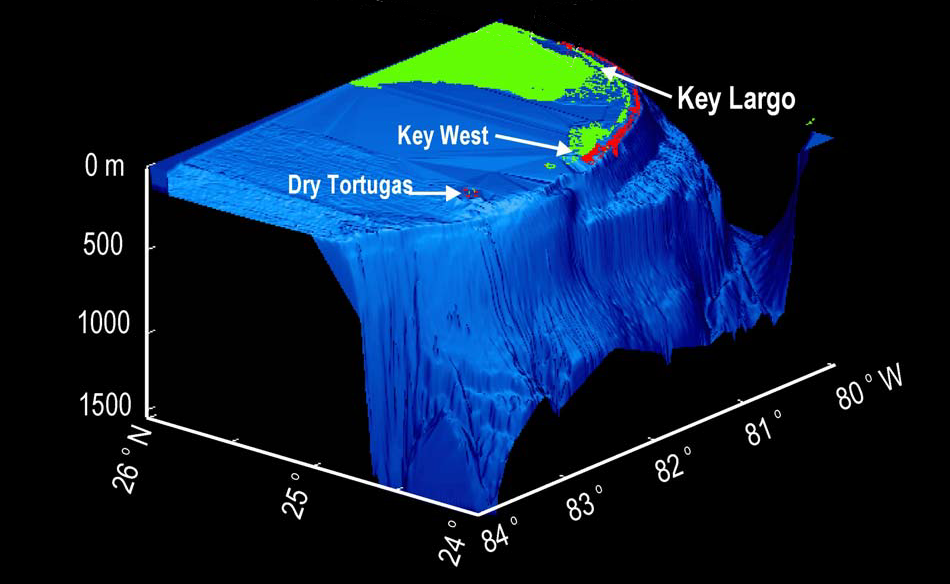
Coral Restoration Foundation – planting and nurturing coral species in underwater nurseries allows coral to grow in ideal conditions. Using a breakthrough method called asexual reproduction, coral technologists can start with tiny pieces and nurture them to grow as big as a soccer pitch or football field in just one year. CRF calls the nursery facility the “Coral Tree.” Then, 75% of the new coral is harvested to replant in distressed reefs to spur the renewal process. The other 25% remans in the nursery to begin the process again. Located in Florida in Tavernier, near Key Largo, the Coral Restoration Foundation grew and restored 20,000 corals in 2024. The Florida Keys National Marine Sanctuary is the third largest barrier reef in the world. There are now over 1000 “Coral Trees” in three designs: Acroporid, Spiral, and Mega. Soon, CRF will launch nurseries in Barbados, Bonaire, Curacao, Jamaica, Mustique, and St. Lucia.

CRF collaborates with The Reef Institute in West Palm Beach and the Mote Marine Laboratory in Sarasota, Florida, USA. Other coral protection and regeneration centers may include the Great Barrier Reef Marine Park, Australian Institute of Marine Science, Reef Research Centre, Great Barrier Reef Foundation, and Queensland’s “Reef 2050 Plan.”

Great Barrier Reef, courtesy of Great Barrier Reef Marine Park Authority. Public Domain, with appreciation.

But just because coral can regenerate does not solve the problem. If new coral are planted in a distressed reef, no magic renewal will be sustainable unless the conditions causing the problem are also relieved. That means taking actions on ocean acidification and climate warming that is raising ocean temperatures. But coral larvae can help and ultimately may hold the answers we seek to save the oceans.

As the High Seas Treaty states, biological diversity is the key to preserving our blue commons. Because coral reefs are the foundation of marine ecosystems, they determine the state of the ocean and the state of life on the entire planet, which depends upon the ocean. Preserving, and regenerating, coral should be our first step in protecting marine health and renewing the world. See below, as observed by Copernicus satellite system, regenerating coral on the Great Barrier Reef. It is possible: can we act in time?

Advancing Earth and Space Sciences (AGU). “Warming Acidic Oceans May Nearly Eliminate Coral Reef Habitats by 2100.” 17 February 2020. https://news.agu.org/press-release/warming-acidic-oceans-may-nearly-eliminate-coral-reef-habitats-by-2100/

CNN. “Visiting Florida’s art-ificial reef trail.” 23 October 2025. VIDEO. https://www.cnn.com/2025/10/23/world/video/call-to-earth-florida-coral-reef-art-c3e-spc

Coral Reef Alliance (CORAL). https://coral.org

Coral Restoration Foundation (CRF). https://coralrestoration.org

Coral Reefs of the High Seas Coalition. https://highseasalliance.org

Gray, Jennifer. “Nurseries bring coral reefs back to life.” 7 July 2025. CNN. https://www.cnn.com/2015/07/07/us/coral-reef-restoration-florida-keys

Great Barrier Reef Marine Park Authority. https://www2.gbrmpa.gov.au

International Coral Reef Initiative (ICRI). https://icriforum.org/about/


Building the World Blog by Kathleen Lusk Brooke and Zoe G. Quinn is licensed under a Creative Commons Attribution-NonCommercial-NoDerivs 3.0 U


WATER: Our Blue Commons: High Seas Treaty

“High Seas Trader” image from video game box. Creative Commons Fair Use. Included with appreciation.

What are the “high seas?” The expression came into being around 1350 ce, deriving from Old English heahflod or “deep water.” The high seas were out of reach, and often a place of maritime adventure, piracy, and danger. Later, the term defined the ocean area not within territory of any nation.

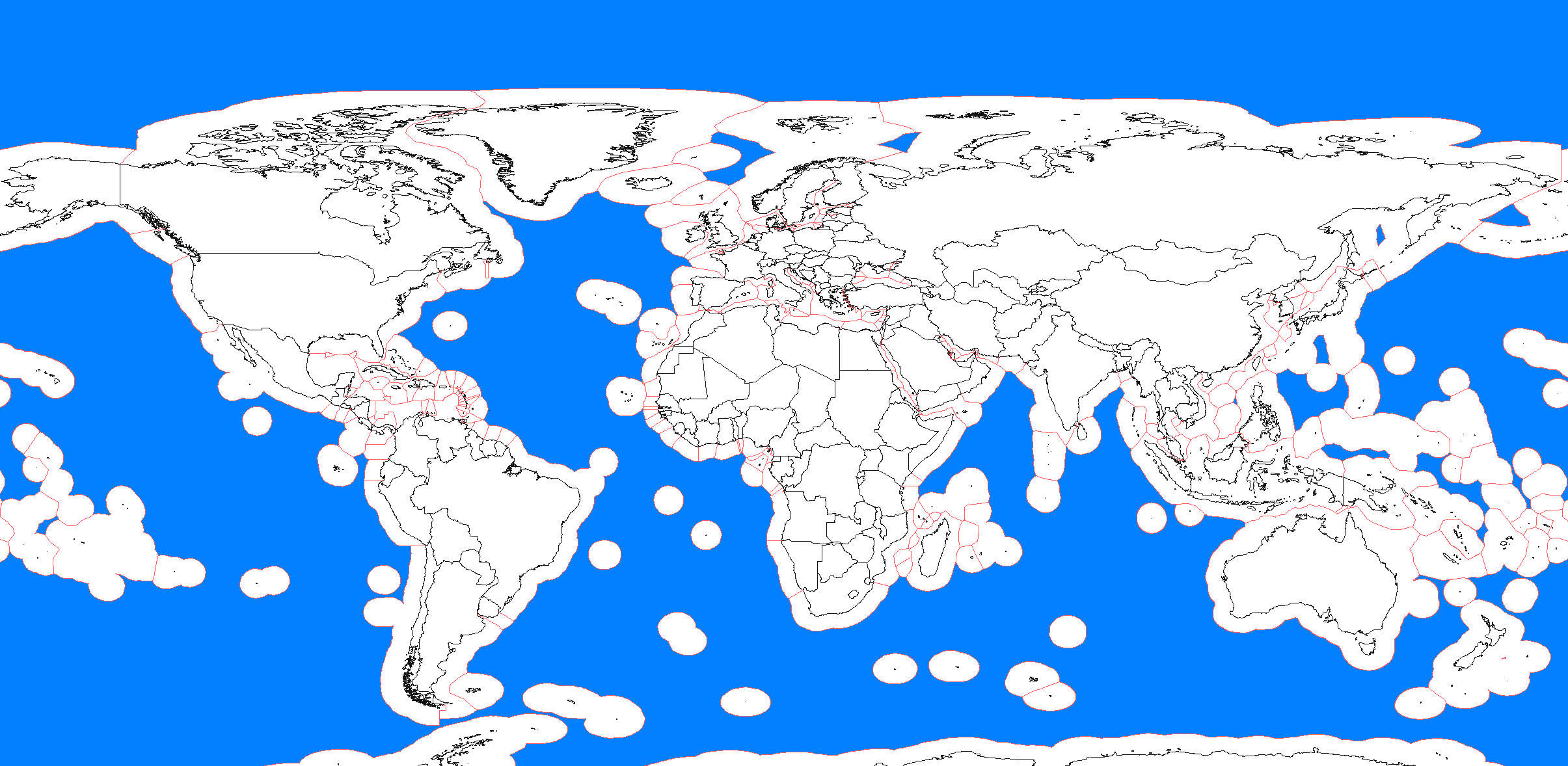
Ocean beyond 200 nautical miles is considered the “high seas” of international waters and belongs to everyone. It is our blue commons. Image: Kvasir, Creative Commons 3.0. With appreciation.

Ocean waters beyond 200 nautical miles, not subject to national jurisdiction and legally categorized as international waters, belong to every country, even those that are landlocked. This is our blue commons.

Wave graphic by NASA. Public Domain. With appreciation.

This month, September 2025, a new agreement, formally known as the “United Nations Convention on the Law of the Sea on the Conservation and Sustainable Use of Marine Biological Diversity of Areas Beyond National Jurisdiction,” is the first legally binding agreement for sustaining marine fauna and flora, sharing of scientific data , access to marine genetic resources, and creating marine protected areas (MPA).

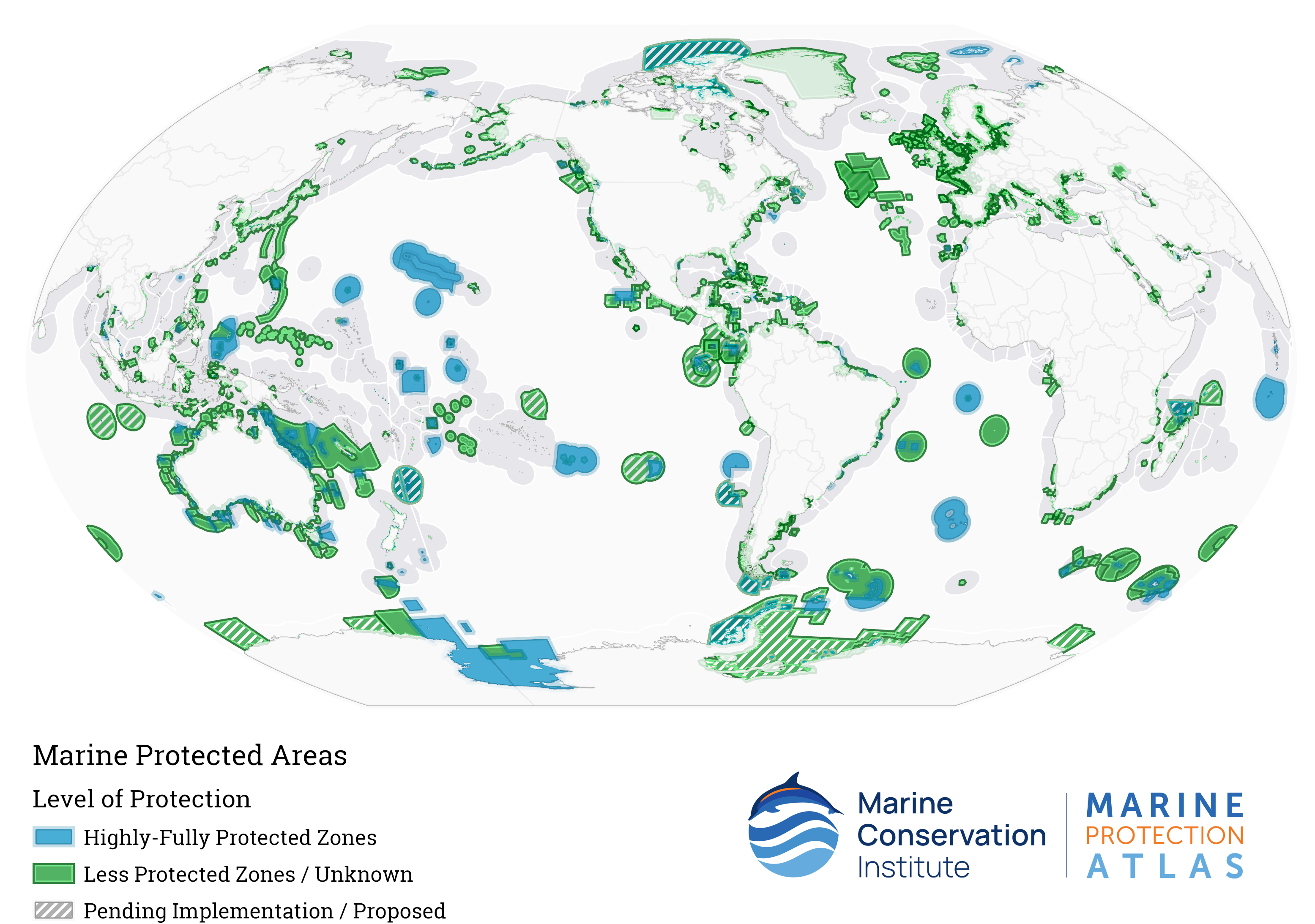
“Marine Protected Areas” as of 2022. Will the High Seas Treaty create more MPA spots of hope? Image by Yo Russmo from MP Atlas. Creative Commons 4.0. With appreciation.

Marine protected areas (MPAs) provide sources with ecosystems intact, in circularity, so that nature is balanced and able to renew. Dr Sylvia Earle, founder of Mission Blue and sometimes called “Her Deepness,” proposed what she called “hope spots” that would serve to keep and potentially renew the ocean habitat. Rena Lee, President of the Intergovernmental Conference on Marine Biodiversity, who captained 36 hours of negotiation that led to the “30 x 30” pledge to protect 30% of Earth’s land and sea by 2030, made the High Seas Treaty text ready for ratification in 2023: it took two years to ratify. Lewis William Gordon Pugh, often referred to as “Sir Edmund Hillary in a swim suit” swam every ocean on the globe to promote Marine Protected Areas.

Lewis Pugh, 2007. Creative Commons 3.0. With appreciation.

The International Seabed Authority (ISA) has approved “Areas of Particular Environmental Interest” or (APEI). This is good news. But the ISA is also preparing to decide whether (or when) to mine the deep seabed. Therein lie buried treasure deposits of critical minerals. ISA keeps a database “Deep Data” that identifies marine mineral resources.

International Seabed Authority (ISA) logo. Image by Rballeiro and ISA. Public Domain. With appreciation.

Cobalt, nickel, and other minerals important for electronics and smart devices are in high demand. Mining on land has thus far provided these resources, but mines are getting tapped out. The same minerals and metals are present in the deep seabed – in untapped abundance. For example, gold in the deep seabed is estimated to be worth $150 trillion.

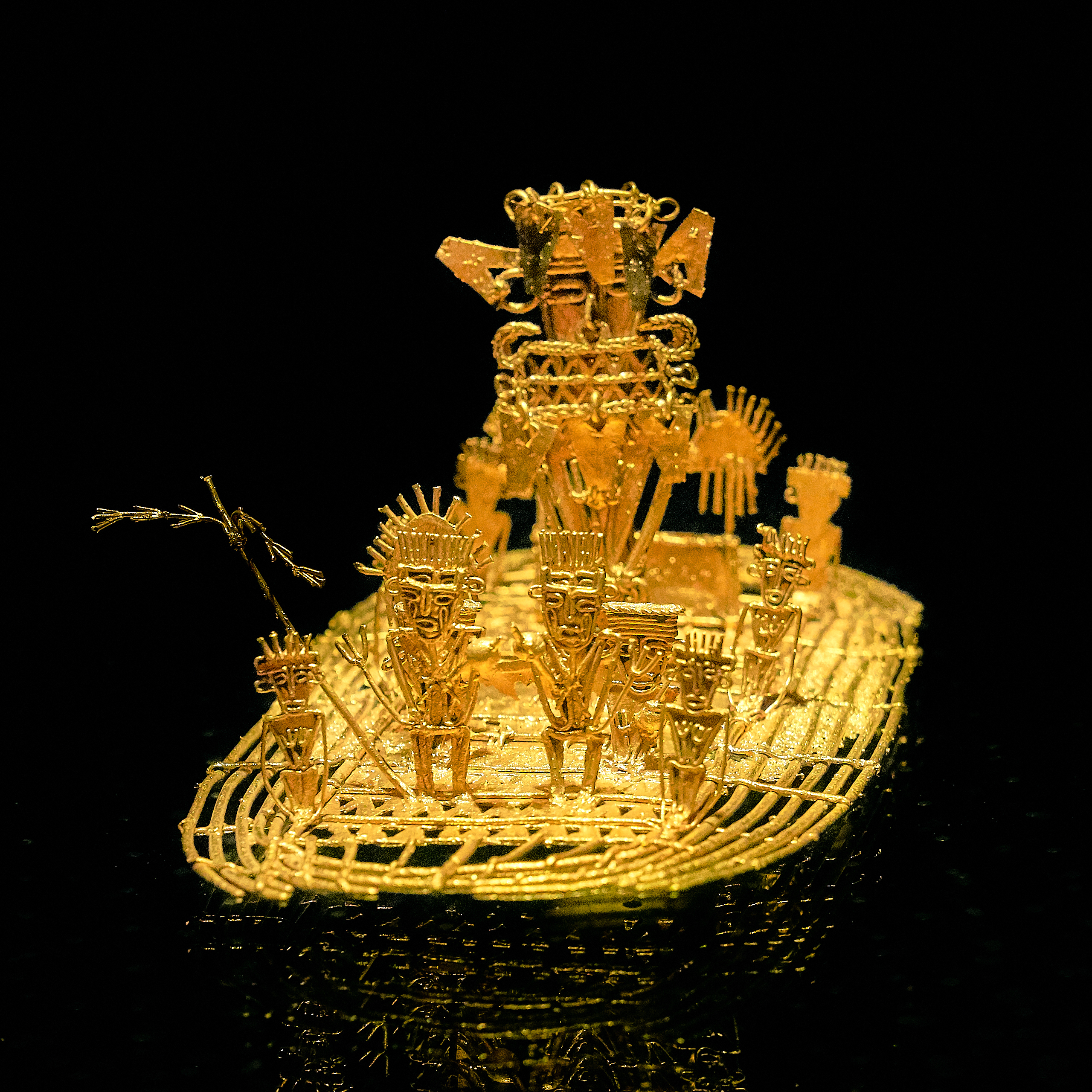
Gold of El Dorado, Gold Museum of Bogotá. Photograph by Pedro Szekely. Creative Commons 2.0. With appreciation.

ISA is presently developing its Mining Code. Countries that are signatory to the Law of the Sea have the right to apply for mining access. So far, all the ISA contracts for cobalt and other materials are only for the first phase of Exploration. The next phase is Exploitation. Nauru triggered the Two Year rule, so mining decisions may be forthcoming.

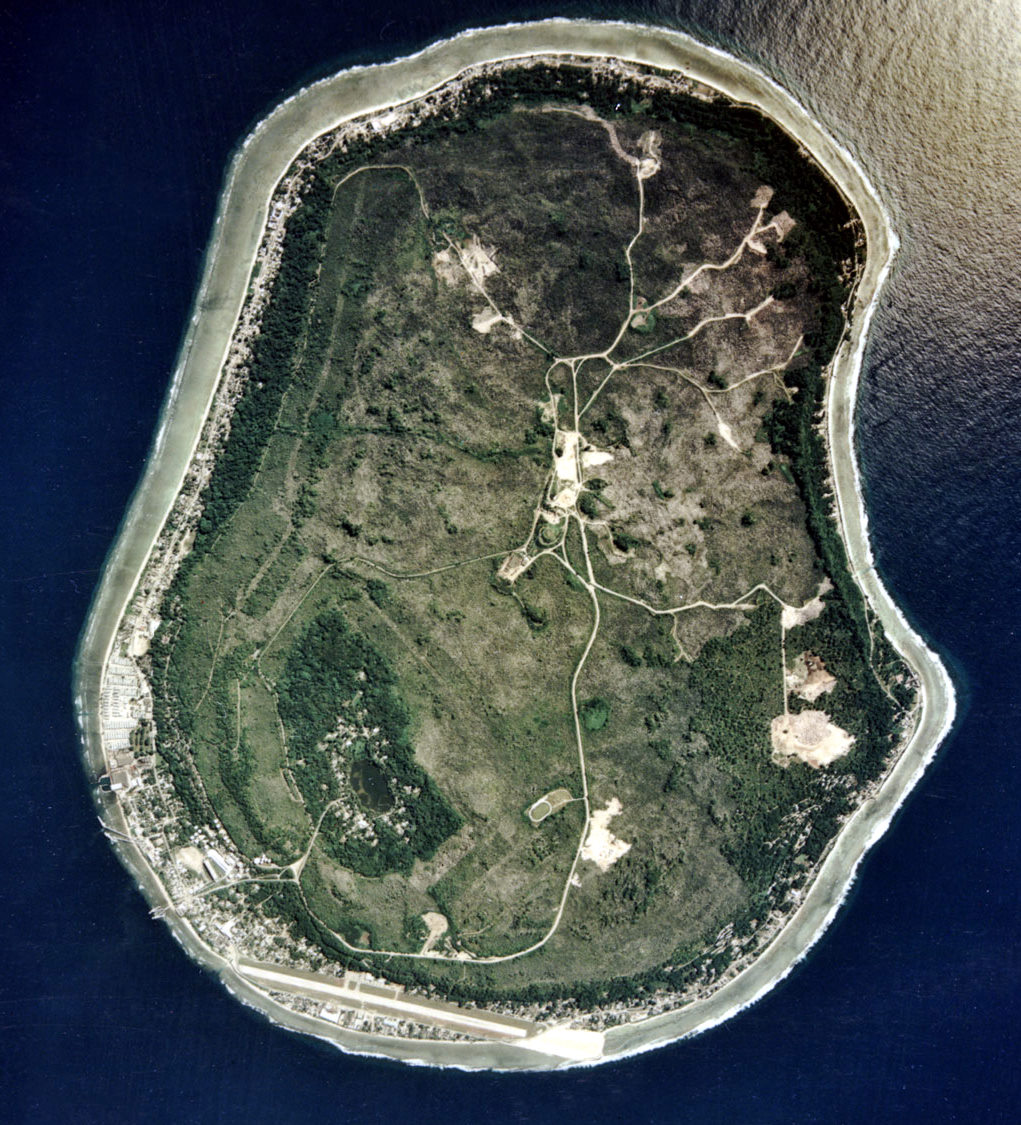
Nauru. Image: Atmospheric Radiation Measurement Program (ARM), US Department of Energy, 2002. Public Domain. With appreciation.

Our blue commons is the greatest portion of our planet, and also the origin of what we are now. We all came from the sea. And, it is the sea that will sustain us. As Rachel Carson warned: “No blue, no green.”

“No blue, no green.” Water may be the key to climate and environmental sustainability. Image: DipoleRadiation by Geoemyda, 2006. Creative Commons 3.0. With appreciation.

Once the High Seas Treaty is in effect, on 17 January 2026, there will soon be a Conference of the Parties (COP) to set the strategic agency and goals.  What are your views? How can the High Seas Treaty protect, sustain, and renew our blue commons?

Brooke, K. Lusk. “Water/ENERGY: Deep Seabed Mining.” 10 July 2024. Building the World Blog. https://blogs.umb.edu/buildingtheworld/2024/07/10/water-energy-deep-seabed-mining/

Brooke, K. Lusk. “Speedo Diplomacy.” pages 56-67. Renewing the World: Casebook for Leadership in Water. 2024. ISBN: 9798985035957. See also: https://renewing theworld.com

Earle, Sylvia. “My Wish: Protect Our Oceans.” https://missionblue.org and TED Talk  2009, VIDEO https://www.ted.com/talks/sylvia_earle_my_wish_protect_our_oceans

Etymonline. “Origin and history of high seas.” https://www.etmonline.com/word/high%20seas

High Seas Alliance. “Historic Milestone for Global Ocean Protection.” 19 September 2025. https://highseasalliance.org/2025/09/19/historic-milestone-for-global-ocean-protection-60th-ratification-triggers-entry-into-force-of-high-seas-treaty/

Humphreys, John and Robert W.E. Clark. “A critical history of marine protected areas.” Marine Protect Areas: Science, Policy, and Management, 2020. https://www.sciencedirect.com/science/article/abs/pii/B9780081026984000010

International Seabed Authority: Mining Code. https://www.isa.org.jm/the-mining-code/

Kriegl, Michael, et al., “Marine Protected Areas: At the Crossroads of Nature Conservation and Fisheries Management.” 07 June 2021. Frontiers in Marine Science. https://www.frontiersin.org/journals/marine-science/articles/10.3389/fmars.2021.676264/full

Lee. Rena. “The ship has reached the shore.” 4 March 2023. United Nations. IDEO: https:/youtu.be/BQauwZ9b9xs

Pugh, Lewis. Achieving the Impossible. New York: Simon & Schuster, 2010. ISBN: 9781847372482

United Nations. “United Nations Convention on the Law of the Sea on the Conservation and Sustainable Use of Marine Biological Diversity of Areas Beyond National Jurisdiction.” https://treaties.un.org/doc/Publication/MTDSG/Volume%2011/Chapter%20XXI/XXI-10.en.pdf

United Nations. “United Nations Convention on the Law of the Sea.” https://www.un.org/depts/los/convention_agreements/texts/unclos/unclos_3.pdf

United Nations. “Kunming-Montreal Global Biodiversity Framework.” Conference of the Parties to the Convention on Biological Diversity, CBD/COP/DEC/15/4,19 December 2022. Official Text: https://www.cbd.int/doc/decisions/cop-15/cop-15-dec-04-en.pdf

Washburn, Travis, et al., “Environmental Heterogeneity Throughout the Clarion-Clipperton Zone and the Potential Representativity of the APEI Network.” 30 March 2021. Frontiers in Marine Science, Volume 8, 2021. https://www.frontiersin.org/articles/10.3389/fmars.2021.661685

Building the World Blog by Kathleen Lusk Brooke and Zoe G. Quinn is licensed under a Creative Commons Attribution-NonCommercial-NoDerivs 3.0 U
 

CITIES: Water Use, Reuse, and Renewal

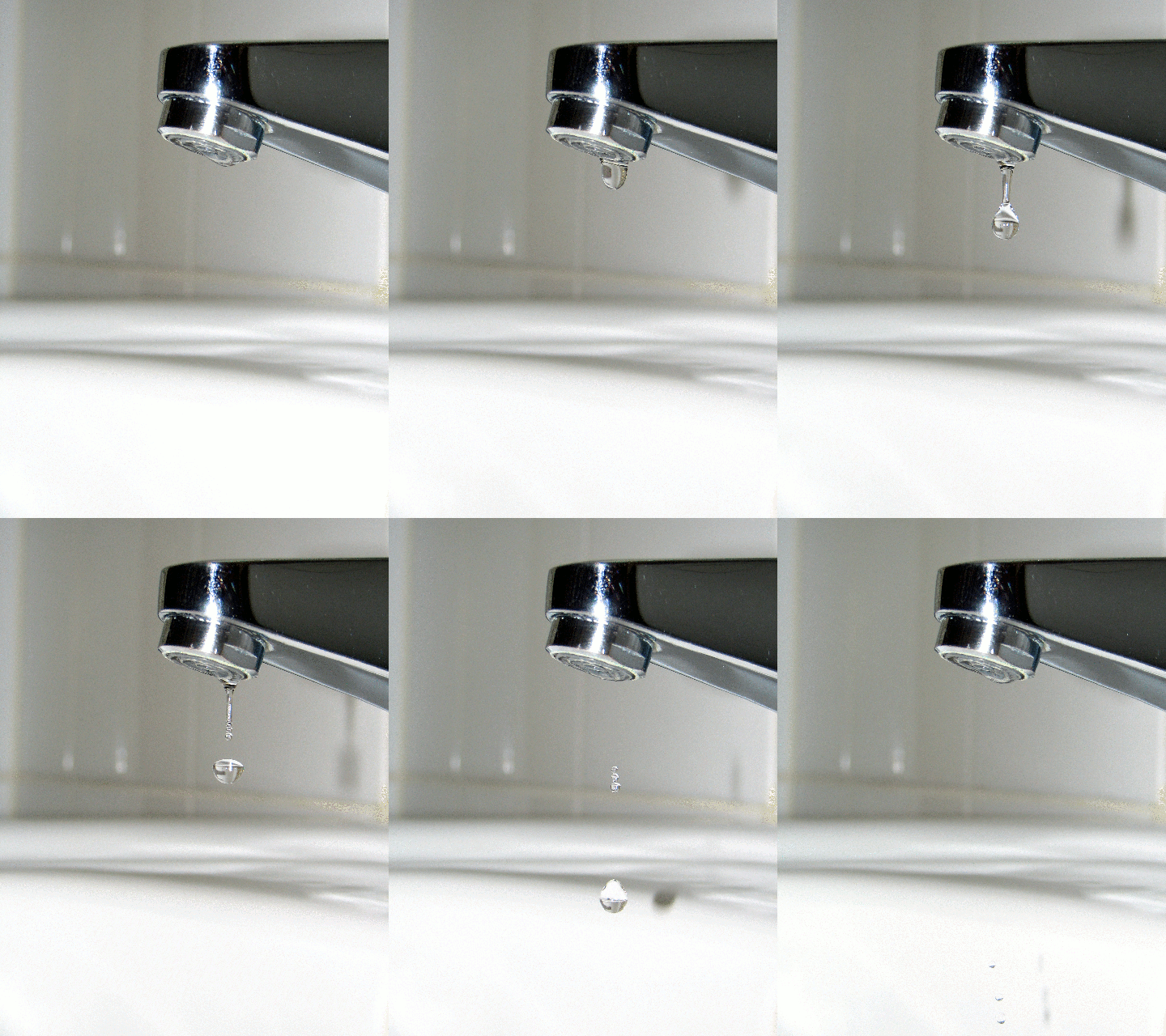
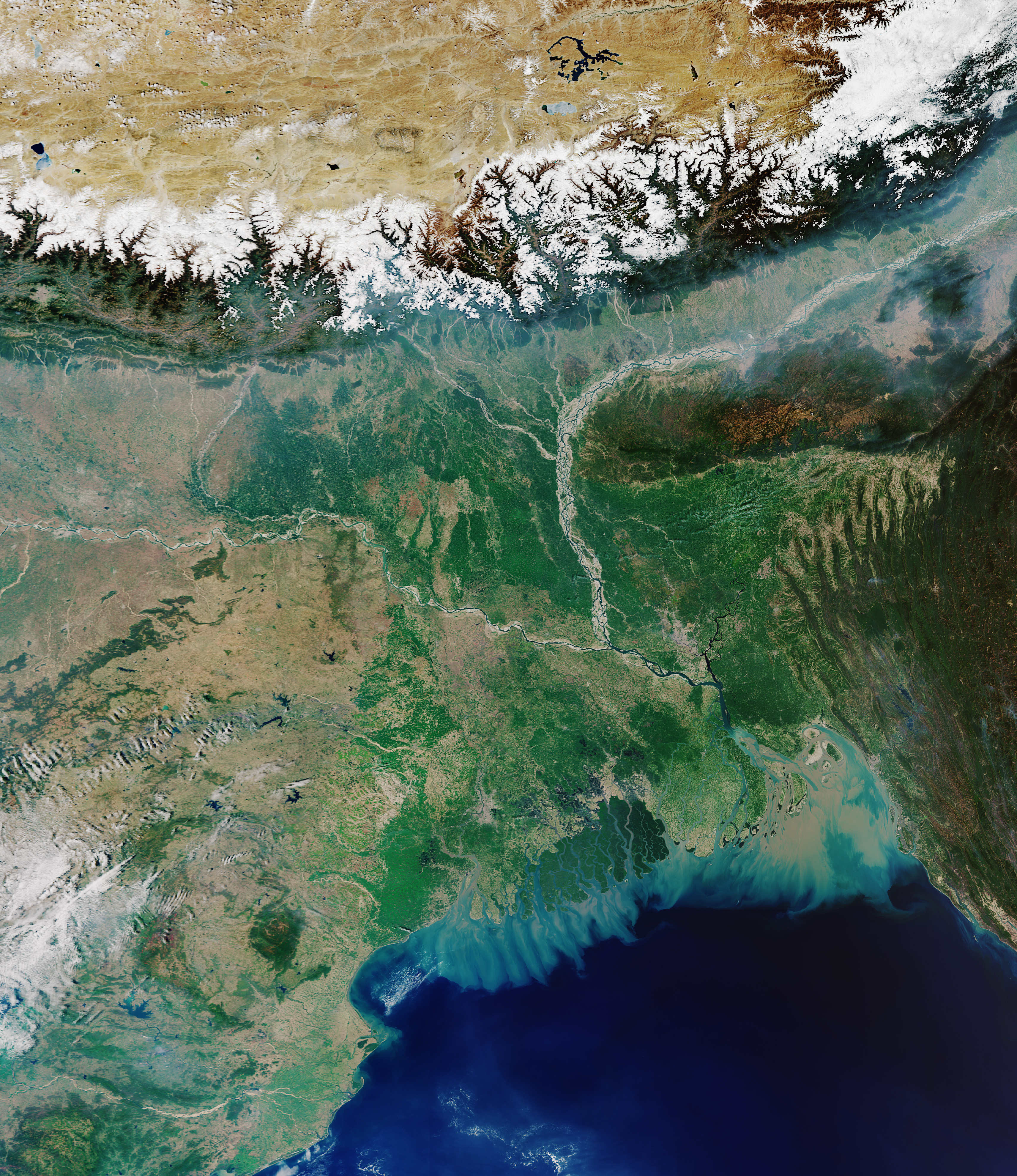
Cities provide water to residents and businesses, and may lead the way to renewing water in the era of climate change. “Animation of water drop on a faucet,” by Chris 73. Creative Commons 3.0. Included with appreciation.

Ever since humans began to gather in settlements, water use has been key to successful communities.  The Code of Hammurabi, 1750 bce, detailed regulations on, among other things, irrigation and water use. Roman Aqueducts supplied water to a growing city; China’s Grand Canal brought water from the south to the capital Beijing, and still does today.

Where does Beijing get its water? The Grand Canal was built to carry water from the south to the north. Today, the purpose remains. The city also gets water from the Kunming Reservoir. Beijing channels reclaimed water for non-potable use from 300 wastewater plants serving the city. Image: “Modern Course of Grand Canal” by Ian Kiu, 2003. CC 3.0. Included with appreciation.

Water and energy are important ways cities can make a difference in climate change. In this series, we’ll take a look at how some cities are using (and reusing) these two essentials. Let’s start with water.

Cities and water are deeply intertwined. “Portland, Oregon at night” by Tabitha Mort, 2017. Creative Commons0 1.0, public domain, and included with appreciation.

Urban buildings use 14% of the world’s available potable water, but very few currently recycle and reuse this key resource. Water reuse can improve potable water availability by 25% in households and 75% in urban commercial buildings, according to the WateReuse Association and partner National Blue Ribbon Commission for Onsite Water Systems. Drawing together agriculture, business, commercial buildings, and municipal utilities, the Recycled Water User Network (TM) connects recycled water users with innovative approaches. Looking to update your career? There’s even a job bank.

In the European Union, the Water Reuse system Wise Freshwater established innovations and programs. While more than 40,000 million m3 of wastewater is treated in the EU, less than 3% is reused. With the Water Reuse Regulation (WRR) there are now mandated approaches to water circularity.

Flag of the African Union, with 55 current member states. Image: African Union, 2010, public domain. Included with appreciation.

The African Union (AU) introduced a Water Vision for 2025 for integrated water resources management related to the UN’s Sustainable Development Goal 6. African Water Facility notes that every dollar invested in water and sanitation produces seven dollars in benefits.

In the US, where water is a critical issue, both for drought and also in floods, five cities may lead the way to policy and innovation:

City planners often begin with water access. Image: Edwin Waller’s Layout for Austin, Texas in 1873. Creative Commons public domain, included with appreciation.

Austin, Texas launched their GoPurple water-saving program as part of the city’s 100-year plan Water Forward. By connecting mandated onsite water reuse systems (OWRS) to reclaimed water, Austin uses non-potable water for urban high-rise cooling towards, sanitation systems, and some irrigation.

Los Angeles: view of the Palisades Fire. By photographer Toasttal, 2025. Included with appreciation.

Los Angeles, California has suffered from drought and resultant wildfire. The city employs reclaimed water for industry, irrigation, and replenishing groundwater. LA developed a Green Building Code mandating that residential buildings over 25 stories have cooling towers serviced by non-potable water. Smaller buildings must reduce water use by 20%, and plumbing fixtures must use recycled water.

Miami: city of beaches, rising seas, and water policy. “Miami, Florida” by photographer Diego Delso, 2008. Creative Commons 3.0. Included with appreciation.

Miami, Florida grants real estate developers a 35% bonus if units use greywater and install onsite water reuse systems in buildings with more than 25 units. In the Florida Statute 403.892, the state details incentives for greywater (sometimes spelled graywater), a term for residential or office building water from all sources – except toilets.

“Phoenix Arizona Desert Heatwave Sunrise 2023” by photographer Ray Redstone, 2023. Creative Commons 4.0, included with appreciation.

Phoenix, Arizona is one of the most arid cities in the world. The city’s Water Smart incentive program offers free consultations on water conservation, reuse, and recycling. Approaches include appliance replacement rebate programs and financial incentives for removing grass. Training a new generation for water use in the future environment, Phoenix also offers classroom materials in Spanish and English.

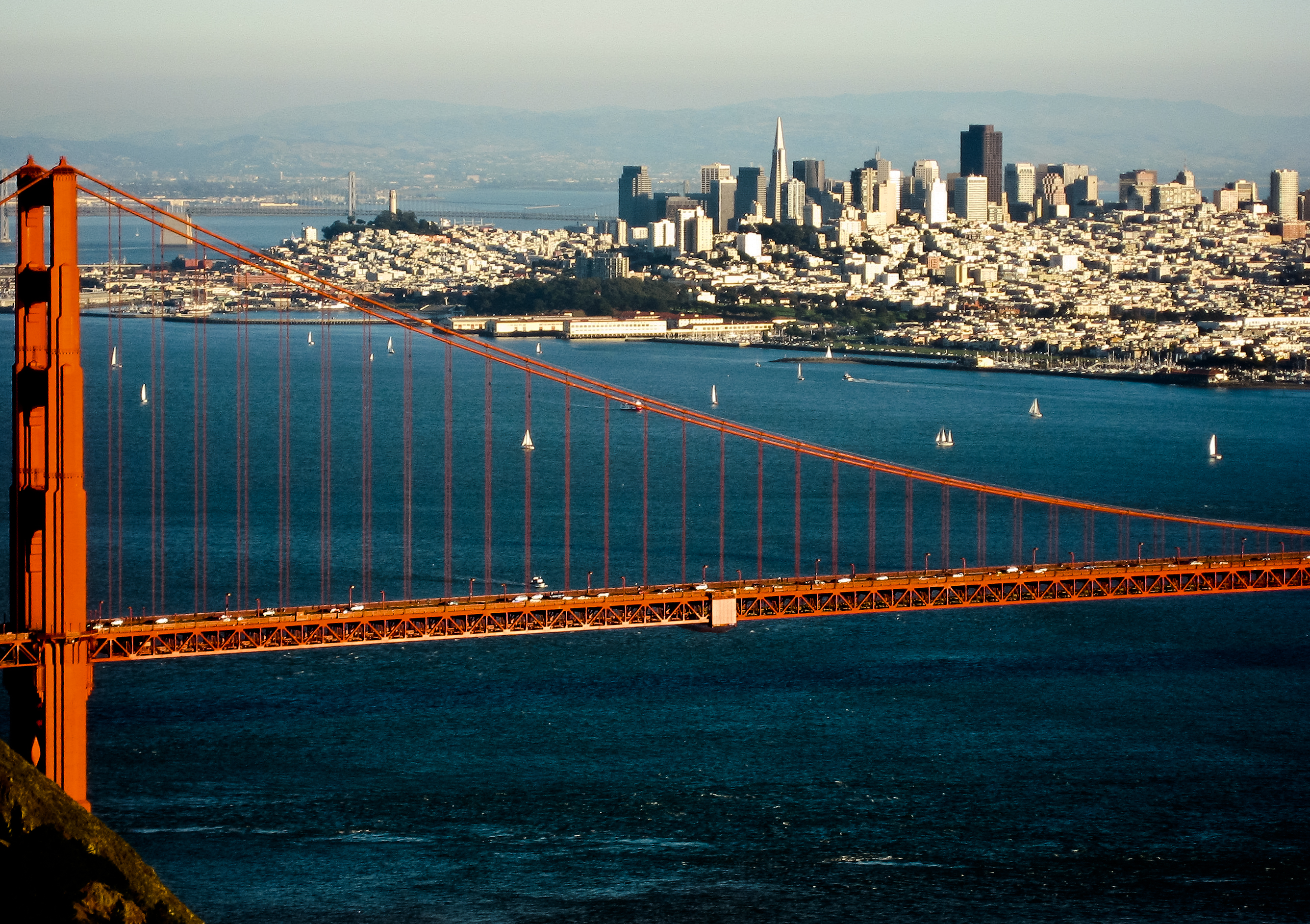
San Francisco as seen from Marin Highlands by photographer Paul h., 2006. Public domain and included with appreciation.

San Francisco, California passed Article 12C of the city’s health code, requiring all new development projects over 100,000 gross square feet (9,290.304) install onsite water reuse systems. The city provides an Onsite Water Reuse Program Guidebook.

Cities are faster and more efficient policy makers than nations. While in the US, the Environmental Protection Agency (EPA) may be affected by decisions and programs such as the Water Infrastructure Finance and Innovation Act (WIFIA), a federal credit program administered by the EPA offering loans for water and wastewater infrastructure projects, cities may be a more reliable action point. By 2050, 69% of the world’s population will be urban. Are cities the climate policy leaders of the future?

Taketa, Õita Prefecture, Japan, uses circular water sharing. Image by Tsutsui Mizuki, 2007. Dedicated to the public domain by the photographer; included with appreciation.

Human use affects more than 70% of the global, ice-free land surface (IPCC 2019). Water resources will continue to be a critical issue. Cities may lead the way. C40 Cities is a global network of mayors uniting in action to respond to the climate crisis. With 97 cities comprising 22% of the entire global economy, C40 offers a Knowledge Hub for all cities to find ways to improve and protect the future.

Do you live in a city, large or small? How does your city use (and reuse) water?

C40. “How to manage water scarcity and adapt to drought.” Knowledge HUB. https://www.c40knowledgehub.org/article/How-to-manage-water-scarcity-and-adapt-to-drought?language=en_US

Intergovernmental Panel on Climate Change (IPCC). Climate Change and Land: An IPCC special report on climate change, desertification, land degradation, sustainable land management, food security, and greenhouse gas fluxes in terrestrial ecosystems. P.R. Shukla, et al., editors. 2019. https://doi.org/10.1017/9781009157988.001

King, L.W., translator. “The Code of Hammurabi.” Yale Law School Avalon Project. https://avalon.law.yale.edu/ancient/hamframe.asp

Renewing the World. “Water” https://renewingtheworld.com

San Francisco Public Utilities Commission. “Onsite Water Reuse.” https://sfpuc.gov/programs/water-supply/onsite-water-reuse

WateReuse. “National Blue Ribbon Commission for Onsite Water Systems.” https://watereuseorg/wp-content/uploads/2022/05/NBRC_Factsheet_FINAL-2-2.pdf

Building the World Blog by Kathleen Lusk Brooke and Zoe G. Quinn is licensed under a Creative Commons Attribution-NonCommercial-NoDerivs 3.0 U


SPACE: What is the Next Step?

Earth and Moon, NASA. Public domain.

On 20 July, in 1969, the first human to set foot upon the moon proclaimed the achievement was: “One small step for a person, one giant leap for humankind.” Since the Nasa Apollo lunar landing, advances in space have accelerated.

July 20, 1969: Buzz Aldrin standing on the moon. NASA, Apollo 11. 1969. Public domain.

Six moon landings were completed by the US between 1969 and 1972. Russia deployed the first extraterrestrial rovers up until 1976. Since then, the moon has been visited by China, European Space Agency (ESA), India, Israel, Italy, Luxembourg, Pakistan, Russia, South Korea, and the United Arab Emirates.

India’s Chandrayaan Landing Sites on the moon. Did you know the Sanskrit/Hindi word for moon is Chandra? Image by Footy2000, from Lunar Reconnaissance Orbiter data, 2023. Creative Commons 3.0.

While the Outer Space Treaty prohibits countries from proclaiming ownership of the moon, or other celestial bodies, private enterprise is not forbidden. At the time the Outer Space Treaty was developed, it was thought that no commercial company could ever amass needed funding, staff, and technology. But now, governments are partnering with businesses to explore – and exploit – lunar assets.

Image of the moon illustrating the various minerals located in the lunar northern hemisphere. NASA, Galileo project. Public Domain.

The moon contains water ice (useful for rocket fuel from hydrogen), helium-3 (useful for fusion reactors), and critical minerals including rare earths. There are also deposits of aluminum, calcium, manganese, magnesium, and titanium, as well as iron and silicon.

Flag of the United Nations (UN). Image: UN, public domain.

Agreements since the UN’s Outer Space Treaty (1967) further defined and regulated lunar assets. The 1972 Convention on International Liability for Damage caused by Space Objects, and the 1979 Agreement Governing the Activities of States on the Moon and Other Celestial Bodies may influence lunar activities.

Ocean seabed mining is now under review by the International Seabed Authority. Environmental damage could be severe. Image: “Sea Anemones” by Giacomo Merculiano, 1893. Public Domain.

During this time of demand for critical minerals, humans are beginning to look beyond traditional land. The International Seabed Authority (ISA) is considering whether to permit ocean mining: environmental damage could be severe. Would the moon be safer? What about space debris?  ISA decisions might affect space mining: ocean and space are the commons that belong to everyone.

Space mining and lunar harvesting are possible. But would they be a small step, or a giant misstep? Image: Space mining painting by Denise Watt, 1977, Ames Research Center (ARC) 1977. NASA image: S78-27139. Public Domain.

What do you think about space mining? Who owns the assets? What environmental and other aspects might need guidelines? Should the world’s governing organizations like the United Nations further define rights for space?

Brooke, K. Lusk. “Mining for Critical Minerals: Land, Sea, or Space? ” 27 February 2025. Building the World Blog. https://blogs.umb.edu/buildingtheworld/2025/02/27/energy-critical-minerals-land-sea-or-space/

Koch, Jonathan Sydney. “Institutional Framework for the Province of all Mankind: Lessons from the International Seabed Authority for the Governance of Commercial Space Mining,” 2008, Astropolitics 16: 1, pages 1-27. https://www.tandfronline.com/doi/full/10.1080/14777622.2017.1381824

International Seabed Authority. https://www.isa.org.jm

United Nations. “Outer Space Treaty.” 1967. https://www.unoosa.org/oosa/en/ourwork/spacelaw/treaties/introouterspacetreaty.html

United Nations. “Convention on International Liability for Damage Caused by Space Objects.” 1972. https://www.unoosa.org/oosa/en/ourwork/spacelaw/treaties/introliability-convention.html

United Nations. “Moon Treaty.” 1979. https://www.unoosa.org/oosa/ourwork/spacelaw/treaties/intromoon-agreement.html

Building the World Blog by Kathleen Lusk Brooke and Zoe G. Quinn is licensed under a Creative Commons Attribution-NonCommercial-NoDerivs 3.0 U

WATER: Don’t Pop Your Top (Twice)

Microplastics pop out of bottles when opened. Image: “An orange fountain” by Japiot, 2011. Creative Commons0.1.0

Every time you pop open a plastic bottle, a fountain of microplastics enters your beverage. While we have known about microplastics in our water supply, and are developing innovative filters to catch them, a new source of contamination has been revealed.

When you pop open the cap on a plastic bottle, microplastics pop out into the air – and into your beverage and food. Image by MKFI, 2014. Public Domain

Imagine meeting a friend on a hot summer day. The heat is intense. You turn into the closest convenience store and purchase a chilled bottle of water. Your buddy opts for a fruit drink. Returning outside, you unscrew the little cap and take a long swig. Refreshing!

Pick up a sandwich, but don’t pick up extra microplastics as an unknown condiment. Image: “Guangdong East Metro Station” by MPCROOYW GROAHMOIOE, 2024. Public Domain.

Later, you decide to pick up lunch to enjoy in a nearby park for a picnic. Eagerly, you both open your food packaging, re-open your beverages, and settle in for some prime people watching as you sip and quip.

Food Packaging Forum study revealed findings: every time you open a plastic bottle or unwrap food packaged in plastic, you release micro and nano plastics into your food. Image: Public Domain.

But – did you know that every time you unscrew the cap on plastic bottle an invisible spray of nano and micro plastics cascades into your beverage?  Or that the mere act of unwrapping a sandwich sprinkles an unseen, toxic condiment? The Food Packaging Forum in Switzerland released findings of a study examining effects of repetitive uncapping bottles and unwrapping food encased in protective plastic. It’s a warning to pop once, but not repeatedly.

Early water packaging. “New River Water” by Marceluss Laroon, 1687. Creative Commons Public Domain.

Sadly, microplastics have been detected in the oceans, mountains, and some of the world’s most pristine waterways like Loch Lomond and Ullswater Lake in England’s beautiful Lake District. London’s Thames River registered 84.1 microplastic elements per liter of water. When the New River was developed in 1609 to bring fresh water to the burgeoning metropolis of London, neither King James I nor Hugh Myddleton (any relation to the Princess of Wales?) intended for the new waterway to bring anything but health and beauty. The system still supplies water to London, but now there may be a reason to refine and renew the waterway.

Microplastics that have penetrated cytoplasm of MH-22a hepatocyte cells in human body. Image by Denis Karimov and Iana Valova, 2023. Creative Commons 4.0.

Scientists have known that plastic used in dietary prep and packaging leaches toxic chemicals into food and beverages. Microplastics found in the carotid arteries of consumers made those people twice as likely to suffer heart attacks and strokes. Microplastics have also been found in human brains, maternal milk, and even some penises. Above, you can see the image of microplastics that penetrated the cytoplasm of a human cell.

The average one liter bottle contains more than just water. Image: Jusotil, 2018. Creative Commons0 1.0: public domain.

The average 1 liter plastic beverage bottle (or the same amount at two bottled waters sold at a convenience store for personal consumption) contains 240, 000 plastic particles: 90% nano and 10% micro plastic.

Carry a metal (or glass) beverage bottle. If you purchase water in a plastic bottle, open it just once – to pour into your safer container. Image: “Metal water bottles” by Amraepowell, 2012. Public Domain.

So, if plastic is ubiquitous, what can you do?

  1. Don’t pop that top – more than once. Carry a metal (or glass) beverage container and, after opening that nice chilled drink you just purchased, pour the beverage into your vessel and recycle the plastic bottle.
  2. Sandwich? Ask for plain paper wrapping, if available.
  3. Never microwave anything in plastic or put it in the dishwasher: heat causes more leaching.
  4. Bring your own utensils, neatly tucked in your bag, instead of accepting plastic cutlery when enjoying take-out.
  5. Take-home? Bring your own container to load your leftovers.
Add your voice! Image: “Giving Voice to Values” by Sonia Melendez, Ethics Unwrapped, 2014. Creative Commons 3.0.

Get involved in change. Explore current laws regulating plastics design and reuse. Participate in the next round of agreements leading to a Global Plastics Treaty, joining those from 175 countries meeting in Geneva, Switzerland, August 5-14, 2025, to refine and advance a legally-binding instrument to address plastic pollution. Here, you can add your voice to those calling to end plastic pollution with a global treaty.

Environmental Law Alliance Worldwide. https://elaw.org

Food Packaging Forum Foundation. https://foodpackagingforum.org

Global Plastic Laws. “A Mandate for a UN Plastics Treaty.” https://www.globalplasticlaws.org/un-global-plastics-treaty

LaMotte, Sandee. “Microplastics shed by food packaging are contaminating our food and drink.” 24 June 2025. CNN. https://www.cnn.com/2025/06/24/health/microplastics-food-packaging-study-wellness

Marfella, Raffaele, et al., “Microplastics and Nanoplastics in Atheromas and Cardiovascular Events. 6 March 2024. New England Journal of Medicine, Volume 390, No. 10. https://www.nejm.org/doi/full/10.1056/NEJMoa2309822

Plastic Pollution Coalition. https://www.plasticpollutioncoalition.org

Plastics Industry Association. https://www.plasticsindustry.org

Sharma, Brij Mohan, Jane Muncke, Justin Boucher, Lisa Zimmerman. “Complementing global chemicals management through shaping consumer behavior.” May 2025. iScience 28(6): 112700. https://www.researchgate.net/publication/391885394_Complementing_global_chemicals_management_through_shaping_consumer_behavior

United Nations. “Global Plastics Treaty: 2025.” https://www.un.org/pga/73/plastics/

Building the World Blog by Kathleen Lusk Brooke and Zoe G. Quinn is licensed under a Creative Commons Attribution-NonCommercial-NoDerivs 3.0 U

TRANSPORT: Building Bridges to Peace

Building Bridges to Peace: how can you help? Image: “Moveable bridges: Animation” by Michael Frey, 2019. Creative Commons 4.0.

Rome: 18 May 2025. Pope Leo XIV seeks to build bridges to peace. Bridges symbolize connection and extend inclusion. Is our world ready?

Pope Leo XIV’s inauguration 18 May 2025. The Pontiff, a term meaning “Bridge Builder,” called the world to peace. Image: US Department of State, 2025. Public Domain.

Pope Leo XIV, elected 8 May and inaugurated 18 May 2025, is now officially head of the Catholic Church, sovereign of Vatican City State, and holder of the title Pontiff.  But what does the title Pontiff mean?

Ponte Sisto, built by Pope Sixtus IV who also commissioned the Sistine Chapel and created the Vatican Archives. Image: “Ponte Sisto and St. Peter’s Dome at Night.” Livioandronico2013, 2015. Creative Commons 4.0.

Short for Pontifex Maximus, a title held by the early Roman Emperors, the term means “Bridge Builder.” In those days, only the head of state could authorize a bridge. When the Pope replaced the Emperor as head of Vatican State in 590ce, the Pontiff’s title passed to the Pope Gregory I, progenitor of Gregorian Chant and proponent of graphic representation of knowledge, especially for those not able to discern the written word, perhaps foretelling graphic novels of today. But it was Pope Sixtus IV, ascending to the papal throne in 1471, who commissioned the Sistine Chapel, created the Vatican Archives, and built the bridge that now bears his name: Ponte Sisto.

Ponte della Musica is the most recent bridge on Rome’s Tiber River. Image by Silvio Pietrosanti, 2014. Creative Commons 4.0.

Rome has always been a place of building, using the latest technology to achieve infrastructure like the Roman Aqueducts, Roman Roads, or Bridges of the Tiber River. The oldest bridge, Ponte Fabricio, dates to 62 bce and was described by Livy as the replacement of an even older wooden bridge erected in 192bce. Most recent is the Ponte della Musica or Music Bridge, dedicated to the composer Armando Trovajoli, that opened in 2011 to welcome public transport, cyclists, and pedestrians. It was designed by Buro Happold Studio of London, site of another famous bridge originally built with wood.

London Bridge was originally built with wood. Today, 24 bridges span the Thames. Image: “London Bridge Illuminated” by Peter Burgess, 2006. Creative Commons 2.0.

Rome, or London, may not need more bridges, but the world does. Some physical bridges are in need of repair. In the US alone, more than one-third of all existing bridges are in need of repair according to the American Road & Transportation Builders Association (ARTBA): that’s 222,000 bridges. Globally, there are over 600,000 bridges: many are in need of mending. Bridges between peoples, nations, and cultures may also need mending.

Bridges need mending, whether from accidents pictured above when Cargo Ship Dali hit the Francis Scott Key Bridge, or from years of use and neglect such as the 222,000 US spans in need of repair. Image: USTB 2024, public domain.

While Pope Leo XIV might not be building or mending physical bridges, the new pontiff appears to be focused on connection as a bridge to peace. After his inauguration on 18 May 2025, Leo met with Volodymyr Zelensky of Ukraine, offering the Vatican as a place for Russia-Ukraine peace talks. The pontiff’s first words, upon election: “Peace be with you. You help us to build bridges with dialogue and encounter so we can all be one people always in peace.”

Each one of us is a bridge: to family members, between neighbors, among friends, extending the reach of community, and reaching out to those we may view as different. What actions, or thoughts, can you offer to build bridges?

ARTBA. “Bridge Report: 2023.” https://artbabridgererport.org/reports/2023-ARTBA-Bridge-Report.pdf

Bigg, Matthew Mpoke. “Zelensky Meets With Pope Leo After Inaugural Mass.” 18 May 2025. New York Times. https://www.nytimes.com/2025/05/18/world/europe/zelensky-pope-mass-vance-rubio.html

Bura Happold Studio and Julia Karasinska.  “Bridges as instigators for urban development.” 13 September 2022. https://www.burohappold.com/news/bridges-as-instigators-for-urban-development/

Pope Leo XIV. “Urbi et Orbi” 8 May 2025. Vatican News. https://www.vaticannews.va/en/pope/news/2025-05/pope-leo-xvi-peace-be-with-you-first-words.html

Zadorozhnyy,  Tim. “Zelensky meets Pope Leo XIV at Vatican.” 18 May 2025. Kyiv Independent. https://kyivindependent.com/breaking-zelensky-meets-pope-leo-xiv-at-vatican/

Building the World Blog by Kathleen Lusk Brooke and Zoe G. Quinn is licensed under a Creative Commons Attribution-NonCommercial-NoDerivs 3.0 U

SPACE/ENERGY: Space Solar Power

Solar corona by Tomruen, 2003. Public Domain. Included with appreciation.

Look up! Could the answer to energy be rising right before our eyes?

Peter Glaser filed the first patent. NASA began the project. Ali Hajimiri demonstrated proof of concept. In one year, this new source of power could produce the same amount of energy as all oil extracted on Earth.

Terrestrial solar panel array in Manchester, Vermont, US by photographer Mark Buckawicki, 2015. Public Domain Creative Commons0. Included with appreciation.

Solar power is leading the renewable energy revolution. But panels take up land, and are only working half of each day, at best. Why not collect solar energy in space – where the sun always shines – and beam it to Earth? It is technically possible, and could offer infinite energy with no carbon emissions reaching virtually everywhere and everyone.

Nikola Tesla holding a wirelessly lit light globe by photographer Napoleon Sarony, 1898. Public Domain. Included with appreciation.

Peter Glaser, in 1973, combined wireless power technology pioneered in 1893 by Nikola Tesla with space competencies demonstrated by the 1969 first human lunar landing. Glaser filed the world’s first patent application for orbiting satellites to collect solar energy and beam it, wirelessly, back to power the entire Earth. Recent advances are now leading to active projects.

NASA, public domain. With appreciation.

Achieving 360 degrees steadily is a milestone reached in a recent demonstration by Space Solar showing space-based wireless power transmission with CASSIOPeiA could achieve 360 degrees in coverage. The plan would be to launch the solar plant to 22,000 miles (36,000 kilometers) above earth in geostationary orbit. It would be assembled in space by robots.

China has announced a solar array as part of its space mission. Some see it as the next step in the massive macro engineering achievements like Three Gorges Dam that has twenty times the generating capacity of the US Hoover Dam. One scientist from the Chinese Academy of Engineering (CAE) said: “It is like relocating Three Gorges Dam to space.” Another comparison? The South China Morning Post called it a “Manhattan Project in space.”The Manhattan Project started with a letter and a train ride. Space Solar will begin with the Long March-9 (CZ-9), a reusable rocket with lift capacity of a blue whale.

Satellite View of Japan by SeaWiFS, Nasa, 1999. Public Domain, with appreciation.

Japan is advancing in space solar power. Japan Space Systems built a model mini power plant weighing 400 pounds (180 kilograms) to test wireless power transmission from low earth orbit (LEO) of 250 miles (400 kilometers). The Needham question is answered.

Concerns remain. Glaser met with doubts about microwaves affecting health; a generation of satellites, cellphones, and household appliances may provide data. Military weaponization is another worry; nations and states are already establishing military programs. On an operational level, questions about distribution, governance, and management of a global utility are practical issues with profound implications. Would a macro central power supply like that envisioned by Bauer and Costello (1949) or China’s GEI (more recently) be examples? Or perhaps Euratom? If you were to organize a global energy network, how would you mobilize the organization?

Aten, Egyptian Solar Deity by Atonx, 2008. Creative Commons 2.5. Included with appreciation.

Solar power has demonstrated its effectiveness but on land, it will always plagued by intermittency. To meet the gap, co-dependent technologies of battery and other forms of storage are developed. And to develop those, mining for minerals is the first step in a long production line. Space solar power bypasses all the intermittency and storage headaches: it is infinite and continuous. Oh, and free.

Bauer, John and Peter Costello. Public Organization of Electric Power: Conditions, Policies, and Program. New York: Harper, 1949.

Eckstein, Gabriel. “Who Owns the Heat?” December 2024. https://papers.ssrn.com/sol3/papers.cfm?abstract_id=5066007

Frederickson, Emma. “China Is Building a Solar Station in Space That Could Generate Practically Endless Power.” 12 March 2025. Popular Mechanics. https://www.popularmechanics.com/science/energy/a64147503/china-solar-station-space/

Glaser, Peter E., Frank P.  Davidson, Katinka I. Csigi. Solar Power Satellites: A Space Energy System for Earth. Chichester: Wiley/Praxis, 1998. ISBN: 047196817X.

Litwin, George H., John J. Bray, K. Lusk Brooke. Mobilizing the Organization London: Prentice Hall, 1996. ISBN: 0131488910

Pultarova, Tereza.”Japanese satellite will beam solar power to Earth in 2025.” 19 April 2025. Space. https://www.space.com/japan-space-based-solar-power-demonstration-2025

Pultarova, Tereza. “Space-based solar power may be one step closer to reality, thanks to this key test (video)” 15 April 2024. Space. https://www.space.com/space-based-solar-power-technology-demonstration

Building the World Blog by Kathleen Lusk Brooke and Zoe G. Quinn is licensed under a Creative Commons Attribution-NonCommercial-NoDerivs 3.0 U